Downspout Placement for Effective Water Management
Gutter installation provides a highway for water to protect your home from water damage but that water needs an off-ramp which is where downspout placement becomes crucial. Using proper downspout placement best practices are essential for diverting the deluge safely away from your siding and foundation.
In this post, we’ll cover:
The risks of poor downspout placement
Key tips and spacing rules for placing and installing downspouts
Why Downspout Placement Matters for Every Home

While it’s important to get the right size of gutters and material to suite your home and climate, proper gutter placement of downspouts plays a vital role in how effectively your system performs. Even the best gutters won’t stop water from pooling around your home’s perimeter if it doesn’t have a well mapped route to follow, ideally AWAY from your home and foundation.
In short, bad placement can undo all the good your gutters are meant to do. Investing in smart
gutter downspout placement helps preserve your home’s structure, curb appeal, and long-term health.
What Happens with Poor Downspout Placement
Downspouts that channel water too close to the house can lead to:
- Cracks and settling in your foundation
- Premature wear on siding or stucco
- Soil erosion that ruins landscaping
- Mold or mildew buildup along walls and basements
Here are common signs of trouble:
- Water pooling near the foundation after rain
- Washed-out flower beds or eroded soil
- Rotted siding, especially near corners
- Overflowing gutters even during light rainfall
Incorrect home gutter drainage is one of the most frequent issues that cause water damage to your exterior and foundation. And it’s easy to miss especially when the damage starts underground or behind your walls.
Best Practices for Installing Downspouts
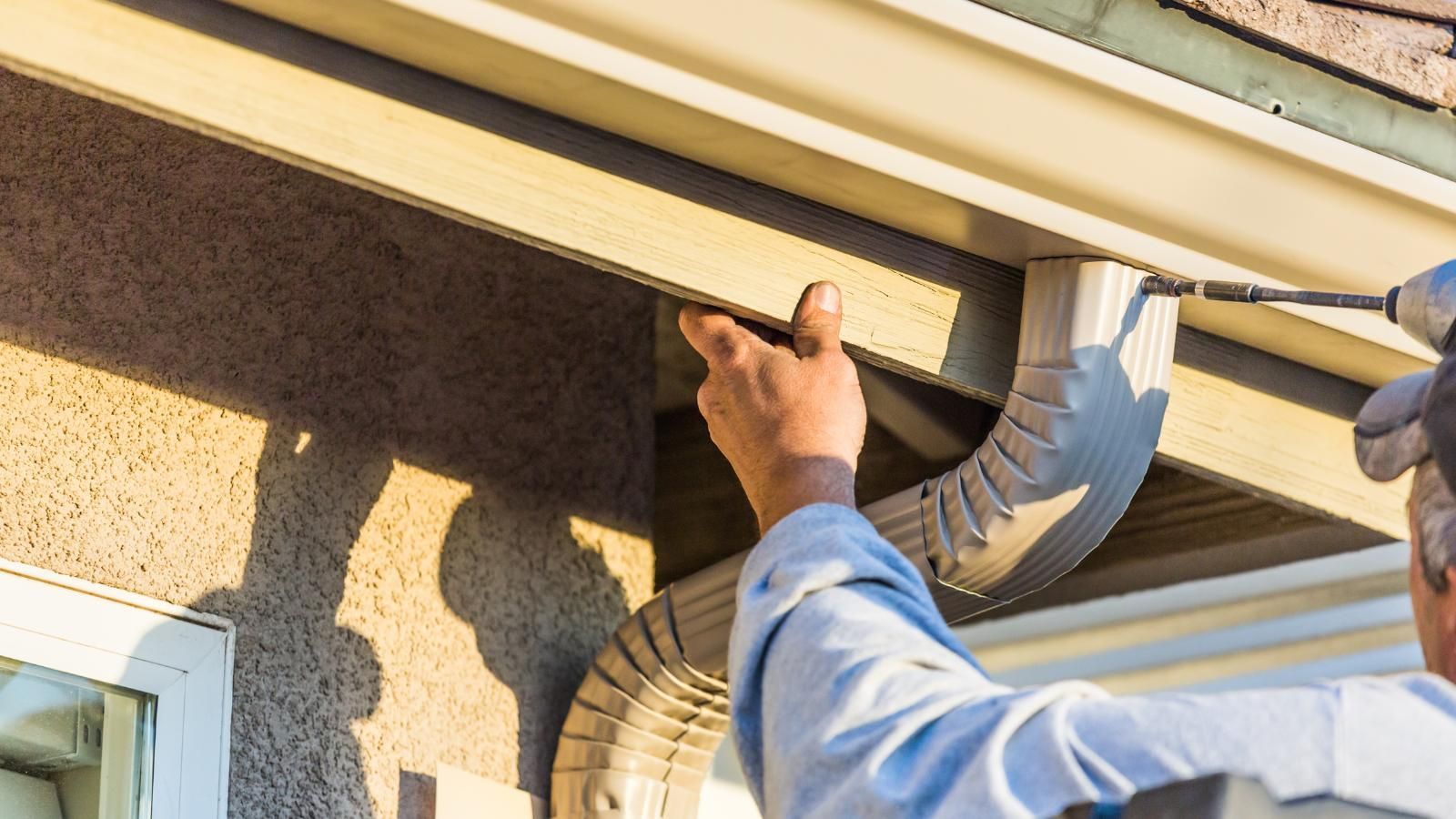
To optimize gutter flow, these are the recommended tips for installing downspouts:
- Place one downspout for every 20–30 feet of gutter
- Ensure downspouts direct water at least 4–6 feet from the foundation
- Use extensions or splash blocks to guide runoff further
- Maintain a slope of at least ¼ inch per 10 feet of gutter for proper drainage
It’s not just about getting it off the roof, it’s about guiding it to a safe place, away from your home’s vulnerable zones.
Downspout Options & Design Considerations
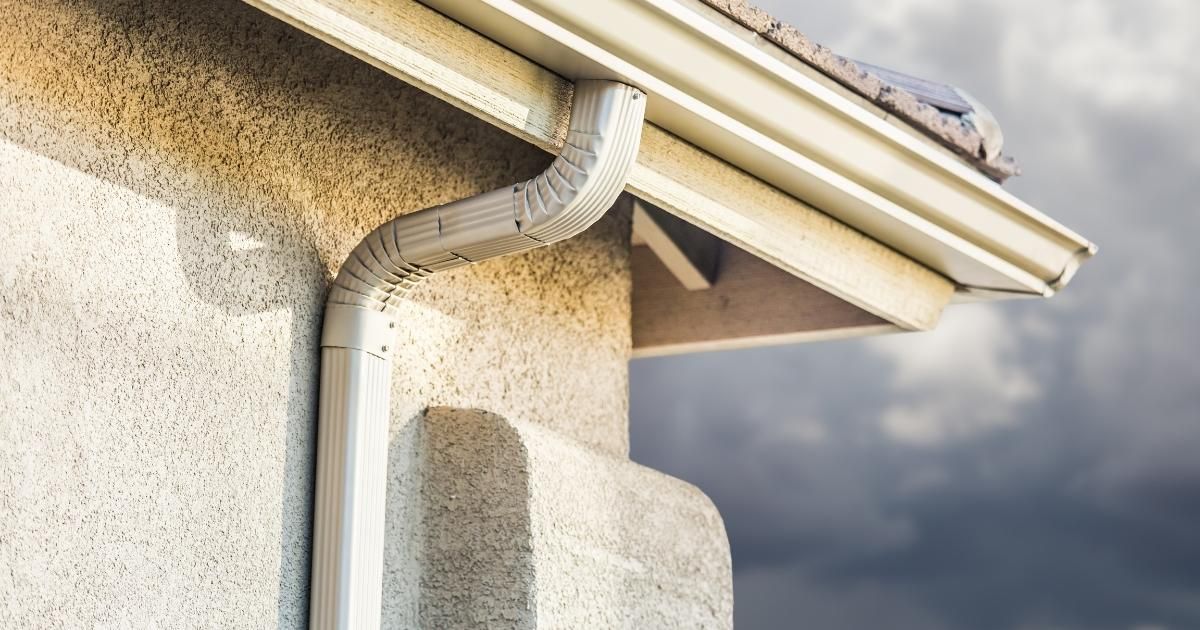
While downspout options should primarily service a function, their style can add to the overall appearance of your property There are plenty of drain spout ideas that merge function and style. Rectangular or round aluminum downspouts in colors that match your trim
- Decorative rain chains for a rustic or elegant look
- Corrugated drainage pipes concealed in landscaping
- Copper downspouts for a timeless finish
How Many Downspouts Does My Home Need?
The base rule is one downspout per 600 to 800 feet of roof space. If you have a multi-tier roof or a more complex roofline you may need additional downspouts to meet that need. Roof pitch, gutter style, and local weather patterns all affect what’s ideal for you. The best way to ensure proper gutter placement is to have a professional assess your home and customize a layout based on actual water flow.
Call the Pros for Smart Downspout Placement in Connecticut
Downspout placement best practices are critical to protecting your home. Proper downspout placement protects your home, your landscaping and foundation, smart downspout design makes a difference you can see.
If you’re unsure about your current setup or planning a new gutter installation, Quality Seamless Gutters is here to help. Our team brings years of local expertise and reliable craftsmanship to every job. Let us design a solution that’s both effective and tailored to your home.
Contact us today for a free consultation and ensure your water management system is working for you—not against you